Explore Flooring Services That Deliver Quality Installation and Maintenance Solutions
Professional flooring services are instrumental in elevating both the attractiveness and durability of spaces. They offer specialized installation and maintenance approaches tailored to different flooring materials. Understanding the nuances of these services is essential for homeowners wanting long-lasting results. However, many disregard the importance of professional knowledge and the common errors that can develop. What factors should be assessed when picking the right flooring service? The answer may amaze you.
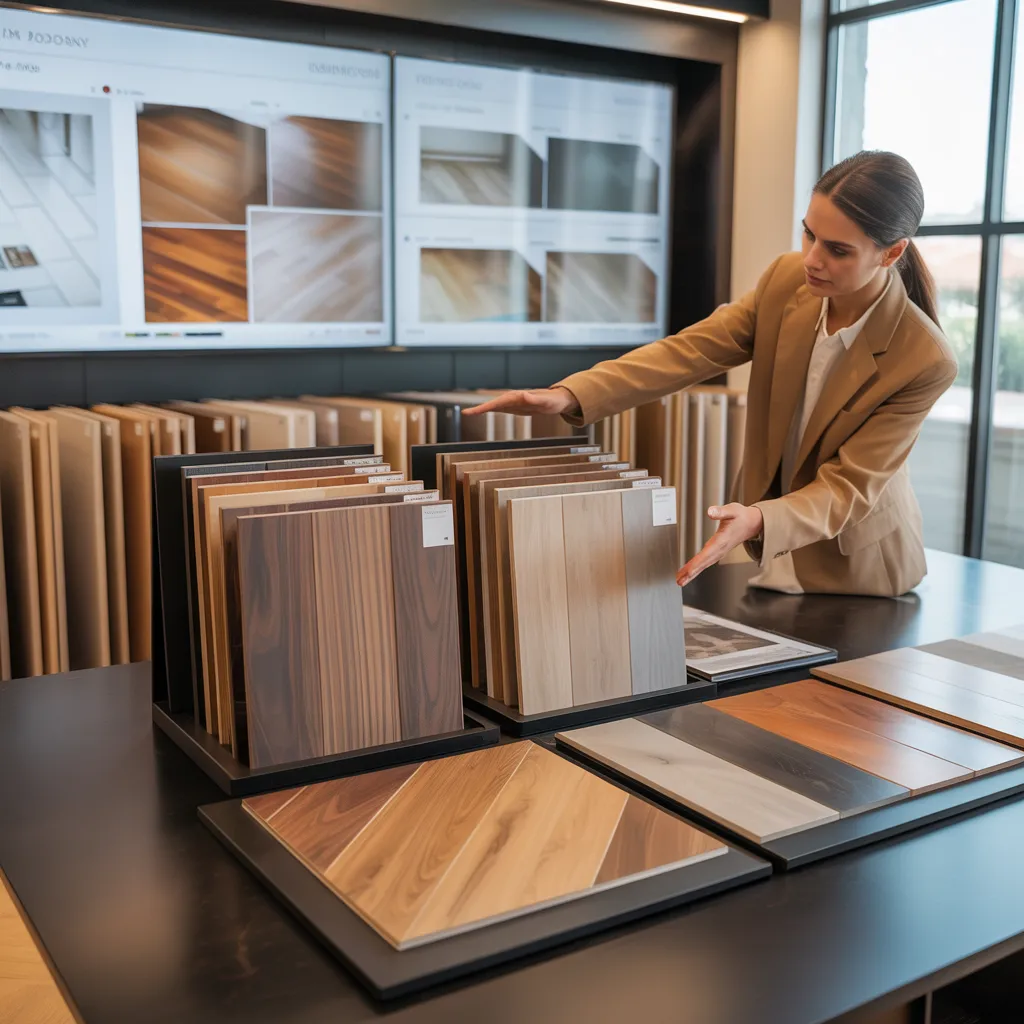
Comprehending Various Flooring Choices
In choosing the ideal flooring, it is essential to understand the numerous types available, as each option presents distinct perks and aesthetics. Hardwood flooring, renowned for its timeless beauty, provides warmth and durability, making it a well-liked choice for residential spaces. Laminate flooring reproduces the appearance of wood or stone, presenting an affordable alternative that is immune to scratches and stains. Vinyl flooring is flexible and waterproof, perfect for high-moisture areas like kitchens and bathrooms.
Tile flooring, available in ceramic or porcelain, is valued for its durability and easy maintenance, often used in both indoor and outdoor settings. Carpet, with its soft texture, adds comfort and warmth to living areas but requires regular cleaning and maintenance. Each type of flooring offers specific attributes that serve diverse preferences and practical demands, underscoring the significance of deliberate assessment when making a selection.
The Importance of Professional Installation
Though numerous homeowners could consider a DIY approach to flooring installation, the benefits of hiring professionals are significant. Professional installers provide a wealth of knowledge and skill that can greatly improve the quality of the finished product. They are adept at handling multiple flooring materials and understand the complexities of proper installation techniques. This skill guarantees that the flooring is installed correctly, reducing the risk of problems such as warping, uneven surfaces, or misalignment.
In addition, professional installation often includes warranties, providing peace of mind for homeowners. These warranties safeguard against potential issues that may occur post-installation, further protecting the investment. In addition, professionals typically have access to specialized tools and equipment, which can enable a more streamlined and accurate installation process. Overall, hiring experienced flooring professionals not only ensures a superior outcome but also saves homeowners time and potential frustration associated with improper DIY attempts.
Crucial Care Tips for Durability
Proper installation sets the foundation for flooring durability, but routine maintenance is key to preserving its aesthetic and functionality over time. Homeowners should create a regular cleaning schedule customized to their particular flooring type, using proper cleaners to avoid damage. Regular sweeping or vacuuming can stop dirt and debris from scratching surfaces.
Additionally, addressing spills right away works to prevent stains and moisture damage. For hardwood floors, using a damp mop from time to time can increase shine and remove grime without excessive water exposure.
It's equally useful to implement sealants or protective coatings to surfaces as recommended by manufacturers. Setting mats or rugs at entryways can greatly decrease wear from pedestrian traffic.
In conclusion, regular professional inspections and maintenance can detect potential issues ahead of they escalate, ensuring that the flooring continues in prime condition for many years. Adhering to these crucial maintenance tips can substantially increase the service life of different flooring types.
Picking the Perfect Flooring Service
When selecting a flooring service, it is important to evaluate specific flooring needs to guarantee documentation the ideal fit for a space. Reviewing various installation techniques can show which methods suit project goals, while examining maintenance options helps determine long-term care requirements. These considerations comprise the foundation of making an informed and effective choice.
Determining Your Flooring Needs
How should homeowners go about assessing their flooring needs? To make informed decisions, they must first examine the individual specifications of each room in their home. This includes evaluating factors such as foot traffic, moisture levels, and aesthetic preferences. Homeowners should assess the longevity and care demands of various flooring materials, considering the benefits and drawbacks of options like hardwood, laminate, carpet, or tile. In addition, they should consider their budget and extended investment plans. Conducting research on market preferences and seeking recommendations from flooring professionals can further enhance choices. Finally, a comprehensive evaluation of unique lifestyle patterns, family dynamics, and future plans enables homeowners to select the most ideal flooring solution matched to their unique needs.
Comparing Installation Methods
Which installation approach will best suit the homeowner's needs? Homeowners need to evaluate multiple flooring installation methods to establish the most fitting for their space and lifestyle. Common approaches include glue-down, nail-down, floating, and click-lock installations. Glue-down techniques deliver a strong bond, perfect for high-traffic areas, while nail-down installations are perfect for hardwood floors, ensuring stability. Floating and click-lock systems provide more straightforward installation and are perfect for DIY enthusiasts, accommodating natural expansion and contraction. Homeowners should also consider the subfloor type, moisture levels, and desired aesthetic when picking a method. Ultimately, the choice of installation method can substantially influence the longevity and performance of the flooring, making it essential to work with experienced flooring professionals for guidance.
Evaluating Maintenance Choices
Choosing the appropriate flooring service entails careful consideration of maintenance options that correspond to the homeowner's lifestyle and flooring type. Different flooring materials need diverse maintenance approaches; for instance, hardwood floors may require periodic refinishing, while tiles need grout cleaning. Homeowners should assess whether they favor low-maintenance solutions or are willing to commit time in upkeep.
Furthermore, understanding the provider's offerings is important. Some flooring services offer complete maintenance packages that include regular cleaning and inspections, while others may concentrate solely on installation. Examining customer reviews and asking for recommendations can aid in finding reliable services known for their maintenance abilities. Finally, selecting a flooring service that provides personalized maintenance solutions ensures the longevity and aesthetic appeal of the flooring investment.
Frequent Flooring Installation Errors to Steer Clear Of
The installation of new flooring offers a transformative opportunity for any room, but it is crucial to avoid common pitfalls that can lead to costly mistakes. One frequent error is not acclimate the flooring materials to the room's temperature and humidity, which can lead to warping or buckling over time. Moreover, improper subfloor preparation can cause uneven surfaces and premature wear. Inaccurate measurements can lead to insufficient materials, resulting in delays and added costs. Another common mistake is neglecting the need for expansion gaps, which are critical for allowing the flooring to expand and contract with temperature changes. Additionally, skimping on underlayment can affect sound insulation and moisture protection. By understanding these pitfalls, homeowners can ensure a smoother installation process and enjoy their new flooring for years to come.
Advantages of Regular Flooring Maintenance
Regular flooring maintenance is crucial for preserving the aesthetic and functional qualities of any flooring type. By establishing a routine upkeep schedule, property owners can increase the lifespan of their floors, ensuring they remain visually appealing and structurally sound. Regular cleaning, such as sweeping and mopping, prevents dirt and debris buildup, which can lead to scratches and discoloration.
Moreover, prompt inspections and routine repairs address issues before they escalate, saving considerable costs on large-scale repairs or replacements. Maintenance also improves safety by decreasing slip hazards stemming from worn-out surfaces. Furthermore, routine care can boost indoor air quality by eliminating allergens trapped in flooring materials. Altogether, the rewards of regular flooring maintenance extend beyond mere appearance; they foster a healthier environment, improved property value, and elevated comfort for occupants. Committing time and resources in maintenance yields notable long-term advantages for any flooring investment.
Common Questions
What Qualifications Should I Look for in a Flooring Service Provider?
When choosing a flooring service provider, one must seek certifications such as the National Wood Flooring Association or NWFA, CFI (Certified Floorcovering Installer), and other pertinent industry certifications that signify professionalism and expertise in flooring setup and maintenance.
What's the Typical Duration for the Flooring Installation Process?
Flooring installation typically requires one to three days, based on the space dimensions and the flooring material chosen. Elements like prep work and curing time will also impact the complete timeframe.
Do Flooring Services Come with Warranties?
Flooring services commonly offer warranties that include coverage for installation and product defects. Warranty duration and terms vary between providers, so it is important that customers examine the specific details prior to making their final decision.
Is It Possible to Install New Flooring Over Existing Floors?
Yes, new flooring can often be installed over existing floors, provided the current floor is in good condition and level. However, it's essential to consult with a flooring specialist to verify compatibility and prevent any complications.
What Payment Methods Do Flooring Services Typically Accept?
Flooring contractors usually present diverse payment alternatives, including cash payments, credit options, financing programs, and installment schedules. Several additionally present reductions for advance payments or special promotions, accommodating varied client payment preferences and circumstances.